
The Rise of Hinduism in Bali
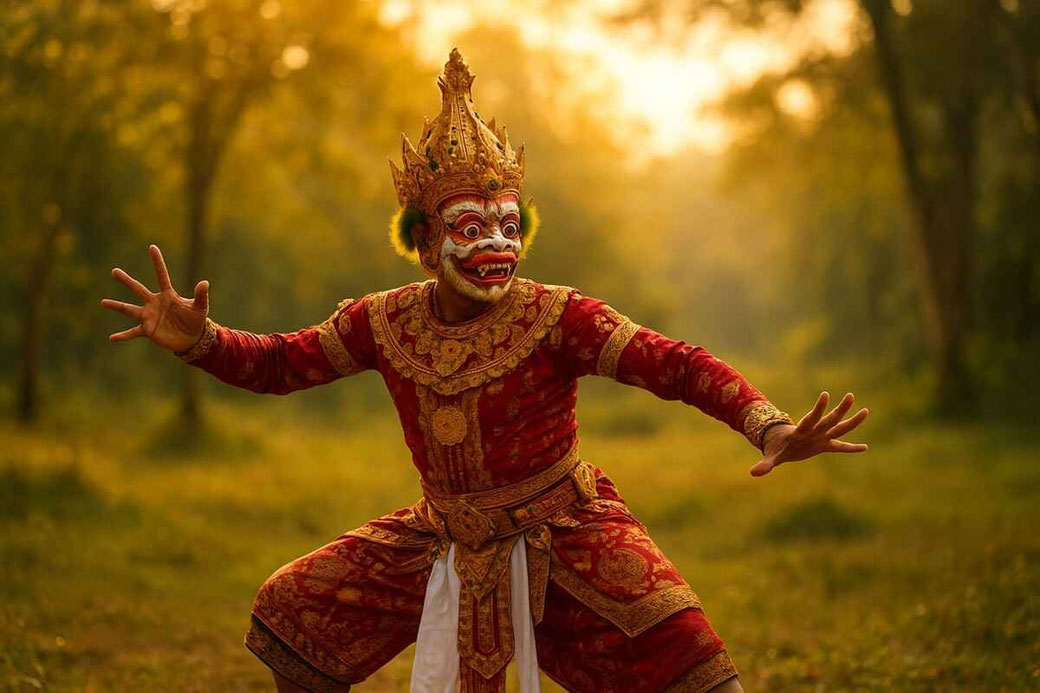
Bali is often called the “Island of the Gods,” a place where temples outnumber houses and offerings are part of daily life. Yet few realize how this Hindu identity came to be — and why it survived while nearly all other parts of Indonesia embraced Islam. The story of Hinduism in Bali is one of migration, adaptation, and devotion.

Ancient Beliefs and Early Indian Influence
Before Hinduism arrived, the Balinese people followed animistic traditions. They believed that spirits lived in trees, rivers, mountains, and ancestors. Around the first centuries AD, traders from India brought not only goods but also ideas — Sanskrit language, epics like the Ramayana and Mahabharata, and the belief in karma and dharma.
Small coastal kingdoms, such as Pejeng and Bedulu, began adopting elements of Indianized culture, blending them with local customs. Temples dedicated to Shiva and Vishnu appeared beside shrines to mountain and water spirits. This syncretism — the blending of beliefs — became a hallmark of Balinese spirituality.
The Majapahit Connection
By the 14th century, under the influence of the Majapahit Empire from Java, Hinduism had become deeply rooted in Bali. When Majapahit fell in the late 15th century and Islam spread across Java, many Hindu nobles, priests, and artists fled eastward to Bali. They carried with them sacred manuscripts, rituals, and a strong belief in maintaining purity of tradition.
This migration turned Bali into a living sanctuary of Hindu culture. The new Balinese courts at Gelgel and later Klungkung became the custodians of the Majapahit spiritual legacy. Here, Hinduism evolved independently — less philosophical and more ritualistic, focusing on balance and harmony in daily life.

Why Islam Did Not Take Root
The arrival of Islam in Indonesia came mainly through trade and politics. Coastal areas like Java and Sumatra, with active trading ports, easily absorbed Islamic culture.
But Bali was different: its geography, with mountainous interiors and small isolated kingdoms, limited outside influence.
Furthermore, Balinese society was highly structured and self-contained, centered around temples, castes, and rituals. Hindu priests (pedanda) held great authority, and religion was interwoven with art, dance, and agriculture — especially the subak irrigation system, which linked rice farming with spiritual offerings to Dewi Sri, the rice goddess.
Thus, while Java turned toward Mecca, Bali looked inward — preserving its Hindu roots with pride.
Modern Hinduism in Bali
Today, about 85–90% of Balinese identify as Hindu. Their faith blends Indian deities with local spirits, creating a unique belief system known as Agama Hindu Dharma. Daily offerings (canang sari), cremation ceremonies, and grand temple festivals keep the island’s spiritual rhythm alive.
Bali stands as the last stronghold of Hinduism in Southeast Asia — a living reminder of an ancient world where gods, ancestors, and nature coexisted in harmony.

Although this information has been compiled with care, it may still be incomplete. If you have additions or comments, please feel free to share them in the comments below so other readers can benefit as well.