
Bali under Dutch Colonial Rule (1908–1942)
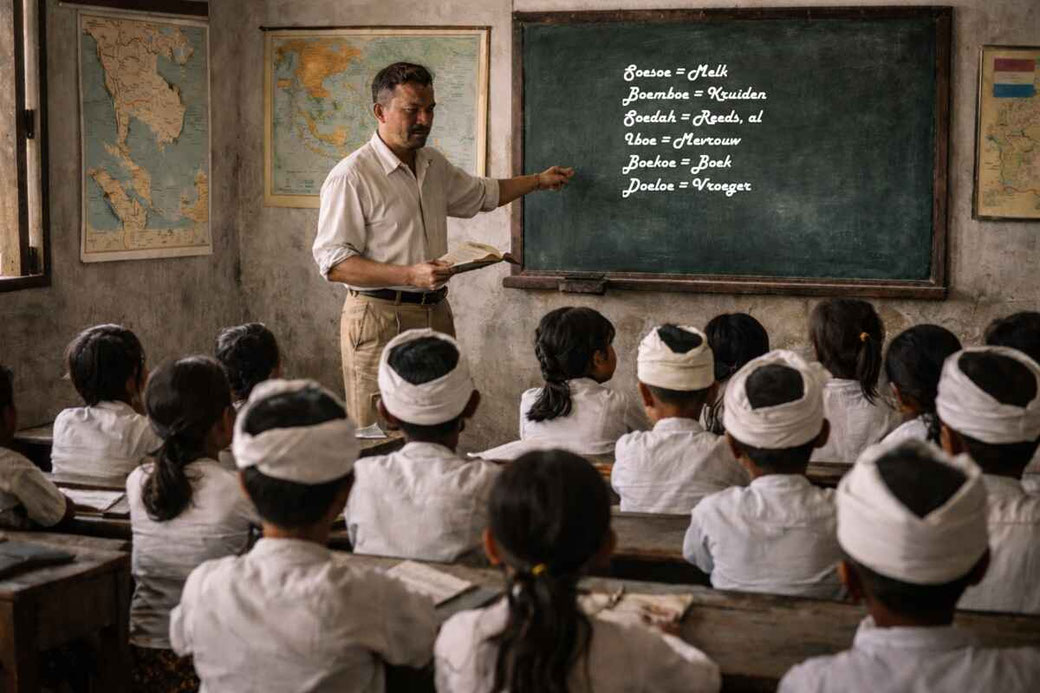
After the final Puputan of 1908, the Dutch gained full political control over Bali. Yet instead of total suppression, they pursued a different approach: to rule while preserving Balinese culture. This paradoxical policy created both protection and exploitation — shaping how the world came to see Bali.
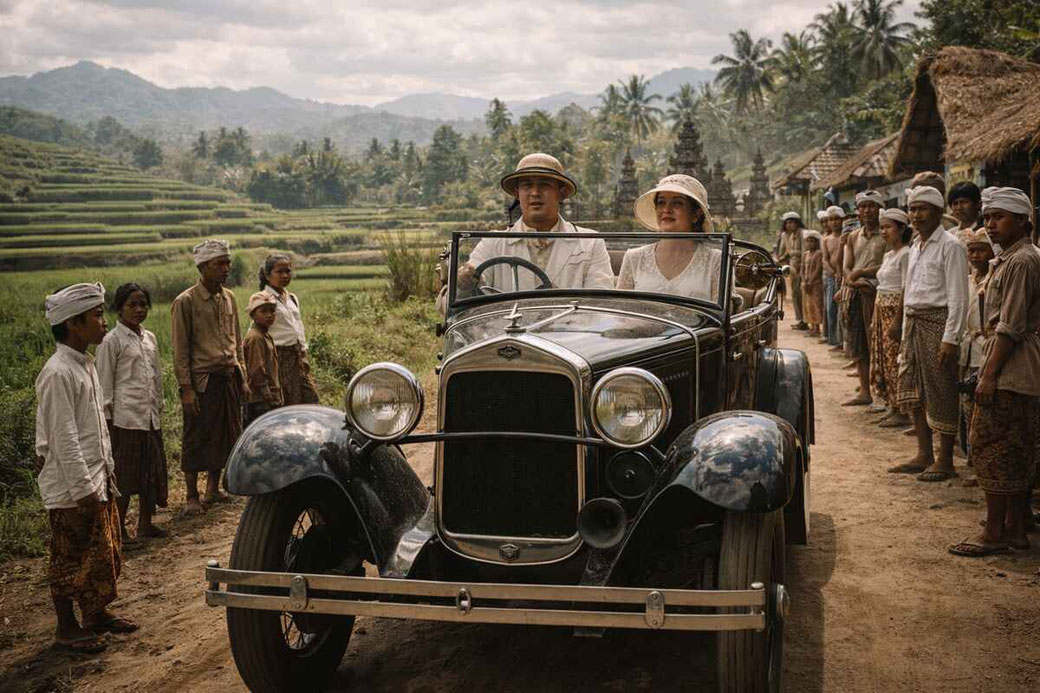
The Ethical Policy and Cultural Preservation
Around 1901, the Netherlands introduced the so-called Ethical Policy, which claimed to promote welfare and education in the colonies. On Bali, this took a unique turn: the Dutch decided to “protect” traditional life from modernization, turning the island into a living museum of Hindu culture.
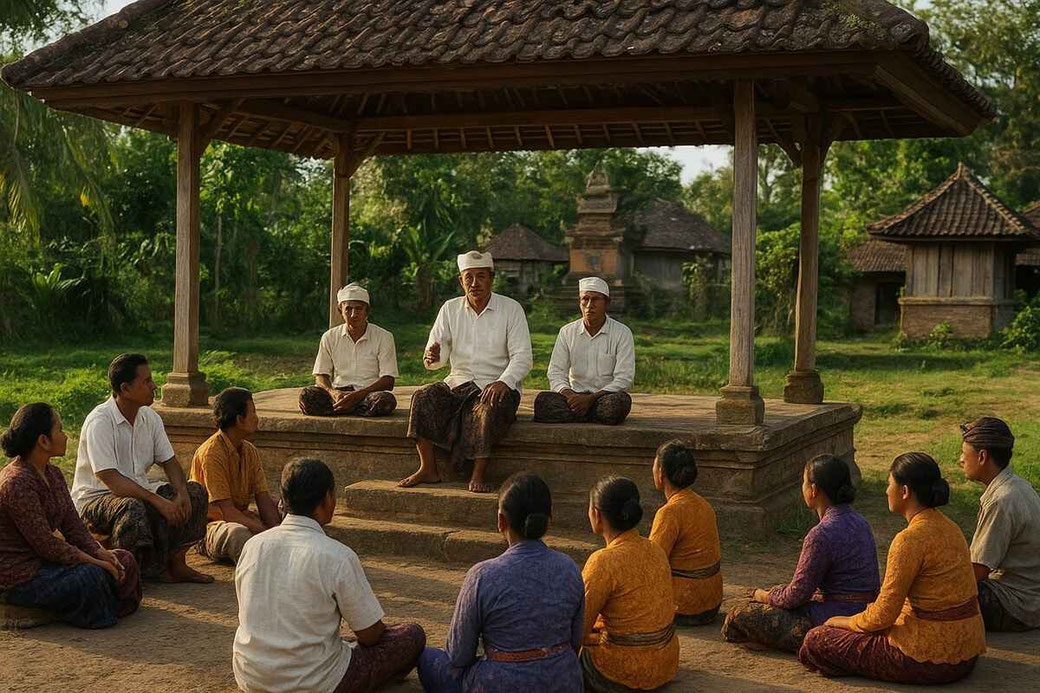
Balinese rulers, or raja, were allowed to keep their positions under Dutch supervision. Local courts and village councils (banjar) continued functioning, though the real power rested with Dutch administrators in Singaraja.
At the same time, anthropologists, artists, and writers from Europe began arriving — fascinated by Bali’s rituals, temples, and dances. Figures like Walter Spies, Miguel Covarrubias, and Margaret Mead helped spread the image of Bali as a tropical paradise of art and spirituality.
Tourism and the “Myth of Paradise”
In the 1920s and 1930s, Bali became a destination for adventurous travelers. The Dutch colonial government supported limited tourism, showcasing Balinese dance and art as cultural treasures. This era laid the foundation for the “Myth of Bali” — an idealized, peaceful island untouched by modernity.
However, this romantic image ignored the reality of colonial hierarchy. Land taxes, forced labor, and economic dependency remained part of everyday life. While some Balinese artists gained recognition, most of the population lived under strict administrative control.
The End of Dutch Rule
The colonial era ended abruptly in 1942, when Japanese troops invaded Bali during World War II. Dutch officials were captured, and the local structure of rule collapsed. But the decades of colonial presence had left a permanent mark — both in Bali’s infrastructure and in the way the island was perceived globally.
Even today, the contrast between the real Bali and the imagined Bali — a paradise crafted under Dutch rule — continues to define how the world views the island.

Although this information has been compiled with care, it may still be incomplete. If you have additions or comments, please feel free to share them in the comments below so other readers can benefit as well.