
The Japanese Occupation and the Struggle for Independence (1942–1949)

In February 1942, the calm rhythm of Balinese life was shattered as Japanese troops invaded the island. The Dutch colonial government surrendered almost immediately, and Bali became part of Japan’s short-lived empire in Southeast Asia. What followed were years of strict control, hardship, and growing nationalism that would ultimately lead to Indonesia’s independence.
The Japanese Administration
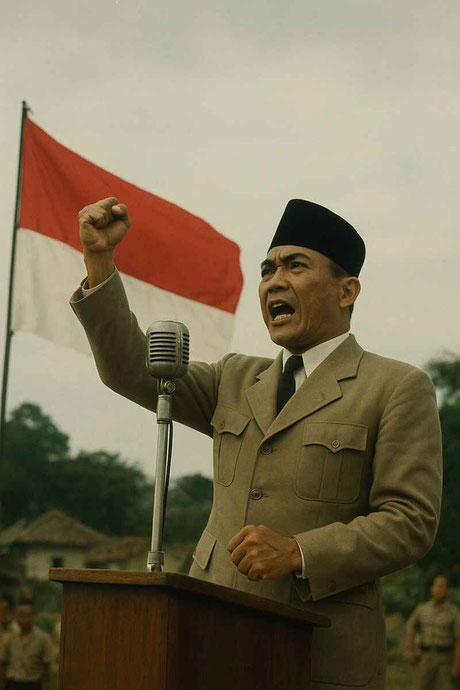
Under Japanese rule, Bali was placed under the control of the Japanese army (Dai Nippon). The new regime initially promised liberation from colonial oppression, portraying itself as a “brother of Asia.” But soon, the reality became clear — the occupation brought forced labor, resource shortages, and political repression.
Many Balinese men were conscripted as romusha (laborers), forced to work in military projects under brutal conditions. Food became scarce, and trade collapsed.
The Japanese authorities also imposed strict censorship and propaganda campaigns to instill loyalty to the Emperor.
Seeds of Nationalism
Despite the hardships, the Japanese period awakened a new political consciousness. The occupiers allowed limited education and nationalist organization, hoping to use local leaders for their own goals. Ironically, this policy helped Indonesian nationalists spread their message of unity and independence.
On Bali, figures like I Gusti Ngurah Rai — a young Balinese officer trained under the Japanese — emerged as symbols of the coming struggle. These formative years prepared a generation ready to fight for freedom.
The Return of the Dutch and the Battle for Bali
After Japan’s surrender in August 1945, Indonesia declared independence. But the Dutch sought to return, determined to restore their colony. On Bali, this led to violent clashes between pro-independence forces and Dutch troops.
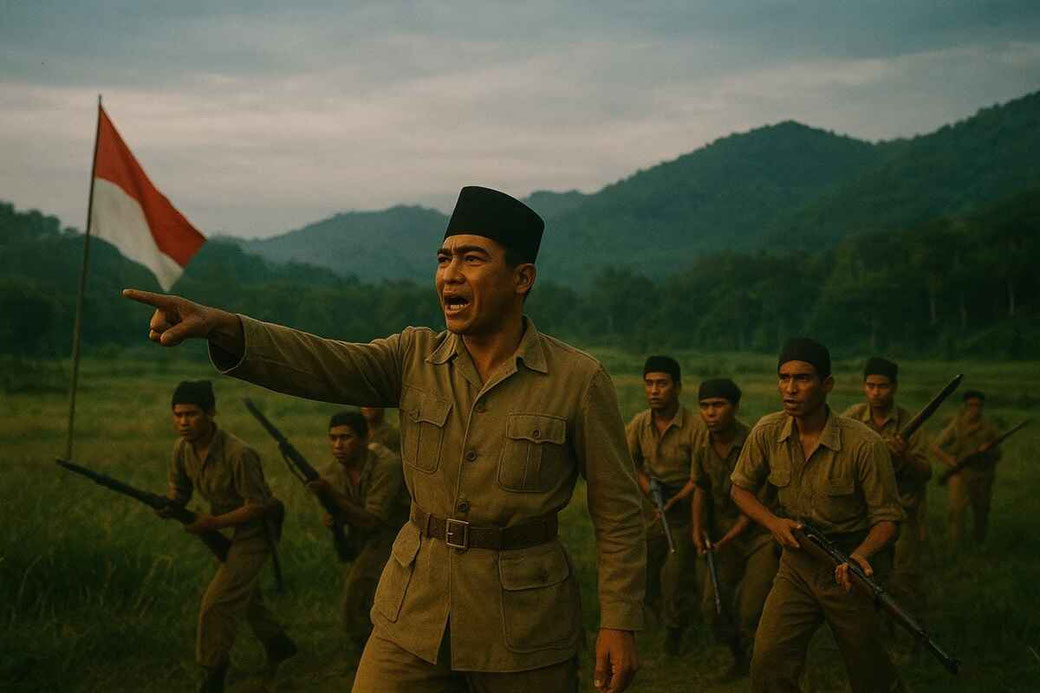
In 1946, Ngurah Rai and his Ciung Wanara Battalion launched a guerrilla campaign in the mountains of Marga, Tabanan. Vastly outnumbered, they fought to the end. On 20 November 1946, Ngurah Rai and his entire force perished in a Puputan-style last stand — the Battle of Margarana.
His sacrifice became a cornerstone of Balinese and Indonesian identity.
A New Nation
By 1949, international pressure forced the Netherlands to recognize Indonesia’s sovereignty. Ngurah Rai was posthumously named a National Hero, and Bali became one of the provinces of the new republic.
The Japanese occupation, though brutal, had transformed Bali from a passive colony into an island of political awareness and pride. The spirit of resistance that began under Majapahit and endured through the Puputans found its final victory in independence.

Although this information has been compiled with care, it may still be incomplete. If you have additions or comments, please feel free to share them in the comments below so other readers can benefit as well.