
The Rise of Mass Tourism (1960s–1970s)
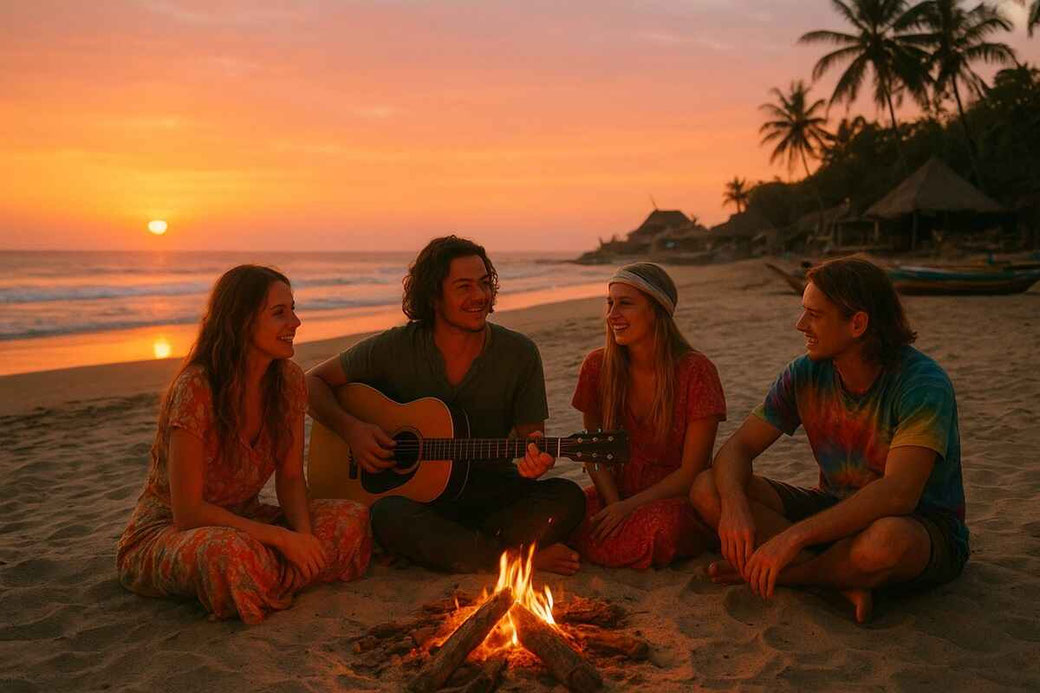
After centuries of isolation and two decades of political upheaval, Bali entered the 1960s poised for transformation. The island’s natural beauty and spiritual culture, once hidden from the world, began to attract artists, writers, and adventurous travelers seeking authenticity and escape. What began as a quiet trickle soon became a wave that would reshape Bali forever.
The First Wave of Travelers
In the early 1960s, Bali was still largely rural. The infrastructure was basic, roads were rough, and electricity reached only a few towns. Yet these very qualities — simplicity, nature, and the charm of local life — drew the first international visitors.
Adventurous tourists, inspired by tales of tropical paradise, arrived by boat or small aircraft. They stayed in homestays and small guesthouses, often hosted by Balinese families. Artists and filmmakers such as Miguel Covarrubias and Walter Spies had already romanticized Bali in earlier decades, and now a new generation came to see it for themselves.

Surfers, Seekers, and the 1970s Boom
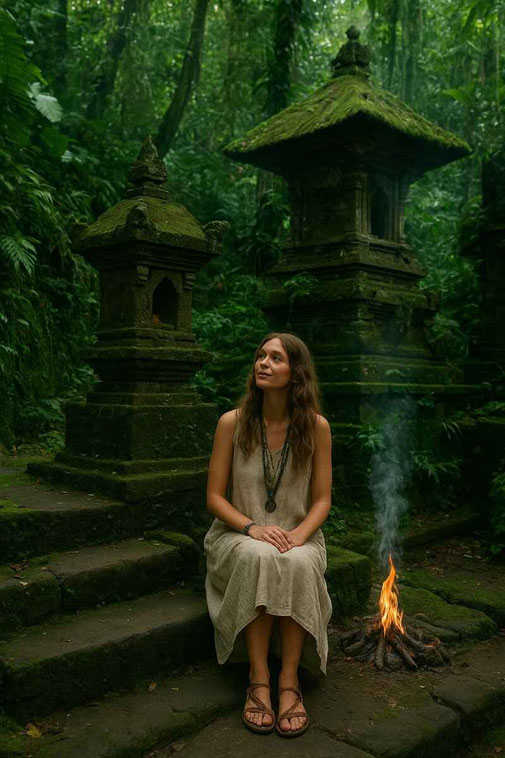
By the late 1960s and early 1970s, Bali became a key stop on the hippie trail across Asia. Young travelers from Europe, Australia, and America came with surfboards and backpacks instead of suitcases. They discovered Kuta Beach, then a quiet fishing village, and turned it into the heart of Bali’s surf culture.
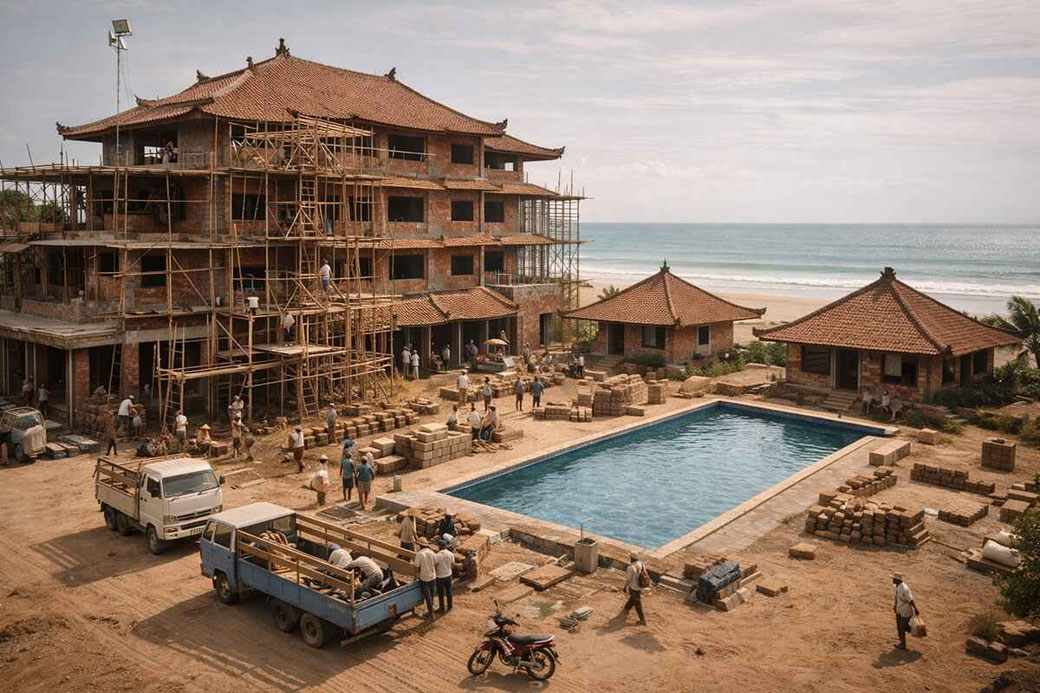
The 1970s saw the first international hotels rise, along with a growing number of shops, restaurants, and cultural shows designed for tourists. The opening of Ngurah Rai International Airport (1978) marked the start of mass tourism — making Bali accessible to the world.
Cultural Exchange and New Challenges
Tourism brought prosperity and opportunity, but also tension. Traditional villages were exposed to modern influences; rice fields made way for resorts. Yet, through this rapid change, the Balinese maintained their religious rituals and community structure, which continued to define their identity.
Bali’s unique ability to blend tradition and modernity allowed it to grow without losing its soul — though the balance would become harder to maintain in the decades ahead.

Although this information has been compiled with care, it may still be incomplete. If you have additions or comments, please feel free to share them in the comments below so other readers can benefit as well.