
The Modern Era
Globalization, Challenges, and Cultural Resilience (1980s–Today)

As the 1980s began, Bali stood at a crossroads. The island had become one of the world’s top travel destinations, yet it faced growing challenges — from environmental pressure to cultural transformation. What followed was a period of unprecedented growth, but also one that tested the resilience of the Balinese way of life.

From Paradise to Global Brand
In the 1980s and 1990s, Bali evolved from a remote paradise into an international brand. Luxury resorts appeared along the southern coasts, airlines added direct routes, and magazines featured Bali as a dream destination. Tourism became the island’s main economic driver, creating jobs and attracting foreign investment.
Yet success came at a price. Rapid development strained water resources, coastal ecosystems, and traditional villages. Urban areas like Kuta, Seminyak, and Canggu expanded rapidly, while rural communities struggled to maintain balance between tourism and tradition.
The 2000s – Shocks and Adaptation
The early 2000s brought both crisis and renewal. The Bali bombings of 2002 and 2005 shocked the world and devastated tourism. But Bali’s strong community spirit — rooted in the concept of Tri Hita Karana (harmony between humans, nature, and the divine) — helped the island recover.
Soon after, Bali embraced digital globalization. Social media introduced Bali to a new audience: digital nomads, influencers, and wellness seekers. Ubud became a global center for yoga and spirituality, while Canggu grew into a hub for creative entrepreneurs.
New Challenges and Sustainable Futures
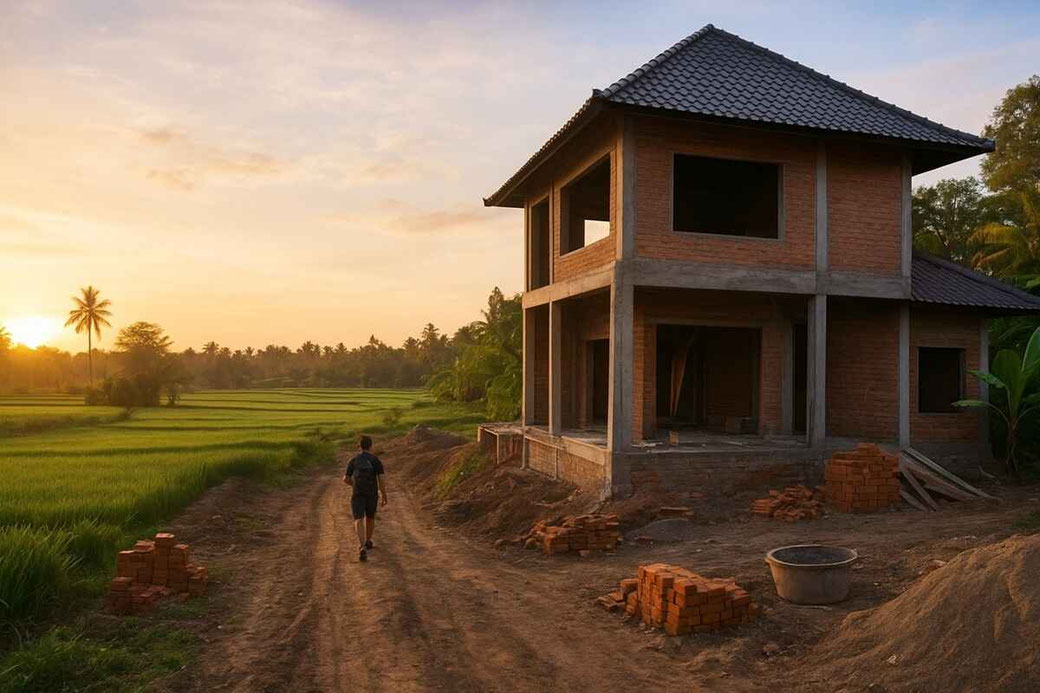
Today, Bali faces new challenges: overtourism, waste management, and climate change threaten its fragile environment. At the same time, there is a growing movement for sustainable tourism, eco-friendly architecture, and cultural preservation. Local organizations, artists, and youth initiatives work together to protect the island’s identity in a rapidly changing world.
Bali’s strength lies in its timeless values — community, ceremony, and respect for nature. Despite globalization, the Balinese continue to live by their philosophy of balance. And in that harmony lies the secret of their enduring resilience.

Although this information has been compiled with care, it may still be incomplete. If you have additions or comments, please feel free to share them in the comments below so other readers can benefit as well.